
On Exhibit Now

Snapshots of Melanesia
The Melanesian pidgin term kastom refers to traditional culture, including laws and customs, rituals and religion, foodways, and art. Kastom connects Melanesian peoples to their past, but it is also a mechanism for adapting and maintaining the core of those traditional ways in a changing world. This exhibit provides a few small windows into kastom as it existed in the past — snapshots of specific points in time through the lens of Temple anthropologists’ momentary engagements with these dynamic cultures. Melanesian societies have continued to change since these objects were removed, maintaining some traditions, reviving others, and creating still more.
Orientalism in the Colonial Museum
Orientalism is the depiction of Eastern societies by Western scholars, novelists, and artists, often characterized by a blend of fascination and misunderstanding. Such portrayals were deeply intertwined with colonial agendas, reinforcing power dynamics that justified imperial dominance.
We explore Orientalism primarily through Japanese and Chinese objects displayed at the World’s Fairs between 1890 and 1910. At these enormous exhibitions, national representatives aimed to show off their own cultures in ways that would appeal to a Western audience. For industrializing countries such as Japan and China, exhibitors tried to satisfy Orientalized expectations while also presenting themselves as modern, prosperous nations. This balancing act and the tension it created for artists is on display in many of the objects here.


A plate showing a Chinese sampan and fisherman.
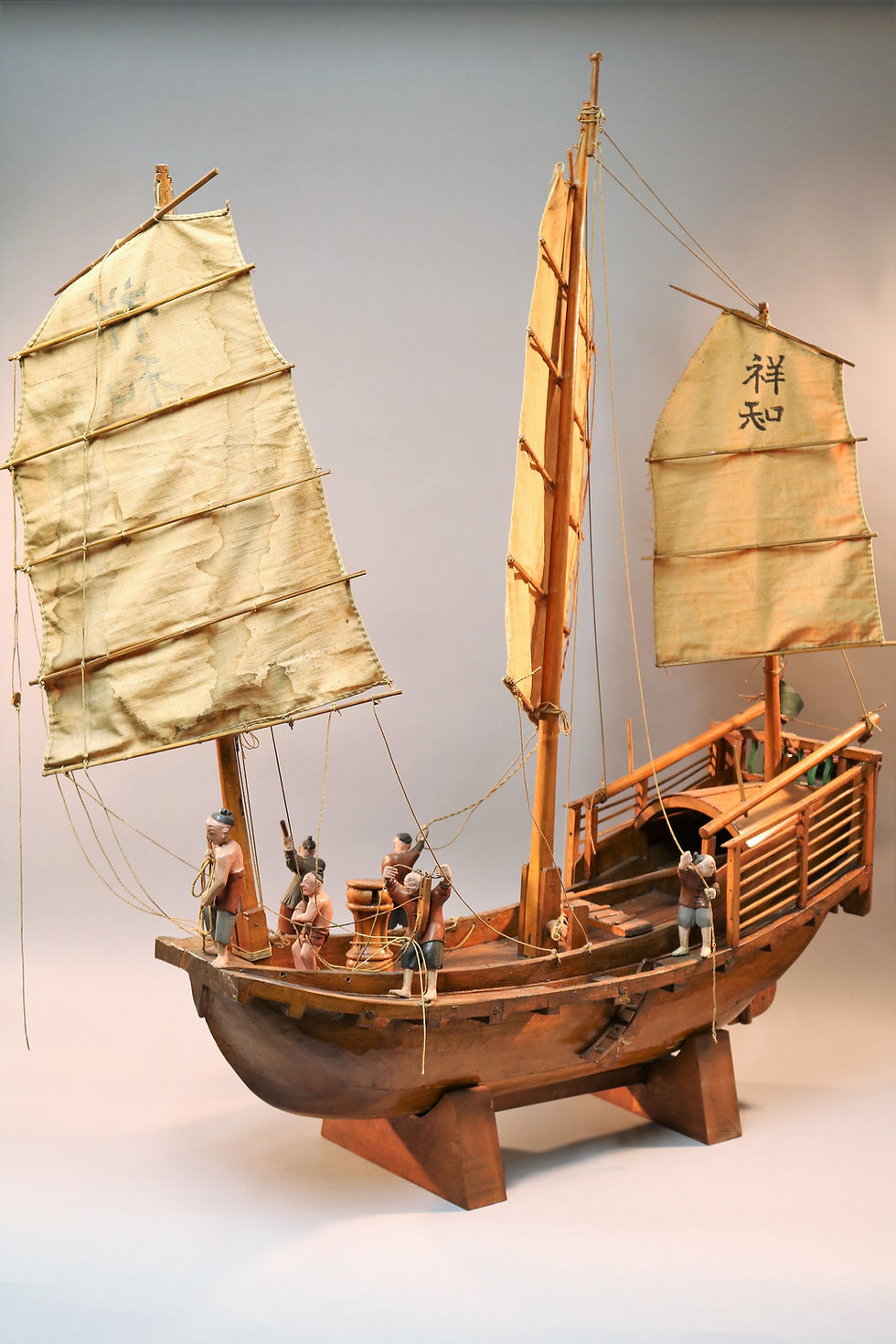
A model Chinese ship, called a junk, used for regional trade at the turn of the 20th century.


Descendants of the 1829 settlement gather in Timbuctoo, NJ.

Excavations at Timbuctoo, led by Dr. Chris Barton.
Our Annual