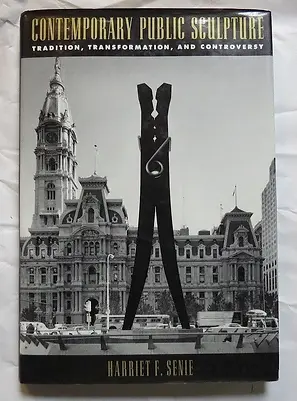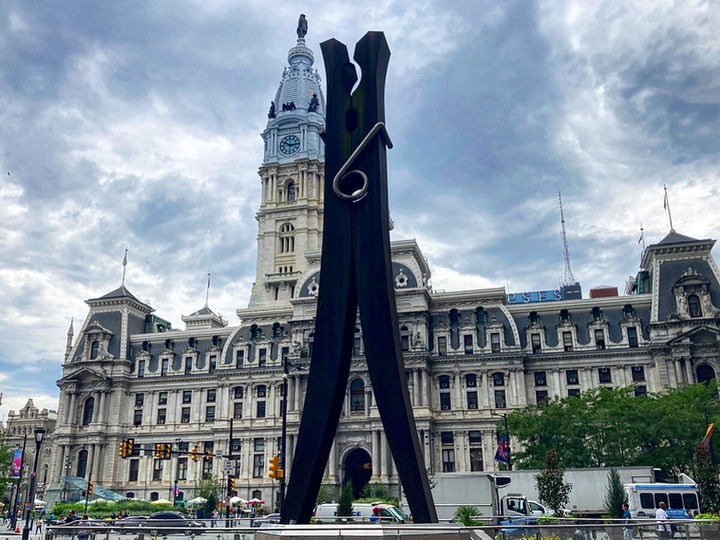

Diagonal from the “LOVE” is the giant “Clothespin” created by Claes Oldenburg; the “Clothespin” sits on top of the entryway of L and the subway. Clothespin certainly draws a reaction from everyone who passes it. After the installation in 1976, cab drivers, pedestrians, art enthusiasts, and local office workers admired it or joked about it, and it soon became a Philadelphia landmark.
The “Clothespin” only exists because it had too. The Philadelphia Redevelopment Authority's percent for art requires building developers to designate funds for public art. Philadelphia’s programs became models for other communities and a means of improving neighborhood aesthetics. Philadelphia’s city government passed a law that initiated the second “percent” program in urban America. Both efforts mandated that developers had to supply up to 1% of the cost of various redevelopments for public art at their sites, respectively for work on land owned wholly or partially by the PRA and building undertaken with city funding. The “Clothespin” was one of the earlyness examples of the PRA public art.

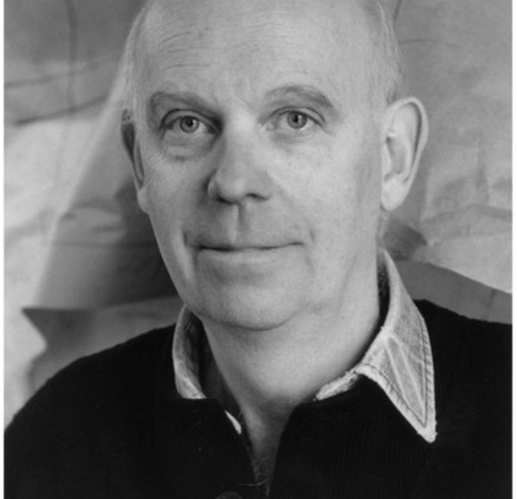
Claes Oldenburg
Claes Oldenburg was born in 1929, in Stockholm was a Swedish-born American sculptor best known for his public art installations, typically featuring large replicas of everyday objects. Another theme in his work is soft sculpture versions of everyday objects. His father was a diplomat, and the family lived in the United States and Norway before settling in Chicago in 1936. Oldenburg studied literature and art history at Yale University, New Haven, from 1946 to 1950. He subsequently studied art under Paul Wieghardt at the Art Institute of Chicago from 1950 to 1954. During the first two years of art school, he also worked as an apprentice reporter at the City News Bureau of Chicago, and afterward opened a studio, where he made magazine illustrations and easel paintings. Oldenburg became an American citizen in December 1953. He is also the creator of the "Paint Torch" at PAFA and the "Plug" at the PMA.
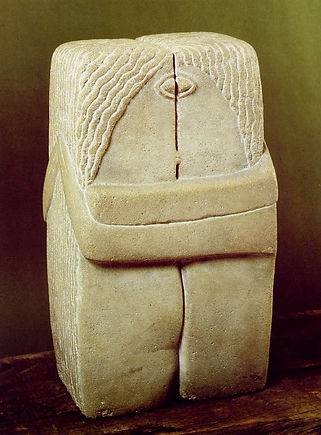

The “Clothespin” is based on Constantin Brancusi’s famous sculpture “The Kiss” in the Philadelphia Museum of Art. This statue is of two people embracing each other and that’s what Oldenburg wanted the close pin to look like.
The stainless steel spring in the middle is supposed to look like the number 76 the year that the Declaration of Independence was signed. When it was originally installed, it didn’t have the brownish color it has today. The cord steel, which is the shape of the close pin is not weatherproof so it has corroded over its years making it look a reddish rusted brown color.